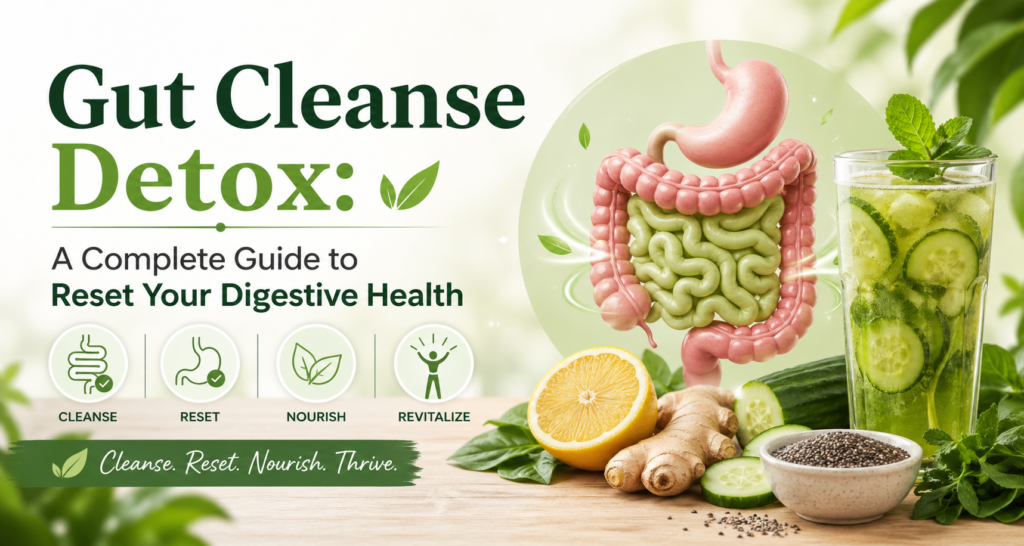
If you have been feeling sluggish, bloated, or just off in ways you cannot quite explain, your gut might be sending you a message. A proper gut cleanse detox, when done correctly, can be one of the most effective ways to restore balance, boost your energy, and bring your digestive system back to life.
What Is a Gut Cleanse Detox and Why Does It Matter?
Your gut does far more than digest food. It is home to trillions of bacteria, fungi, and other microorganisms that make up what scientists call the gut microbiome. This internal ecosystem influences everything from your immune system and mood to your metabolism and skin health. When it falls out of balance, the ripple effects can show up in ways that seem completely unrelated to digestion.
A gut cleanse detox is not about starving yourself or drinking strange potions for a week. Think of it more as a strategic reset. You are removing the things that have been throwing your digestive system off, while actively nourishing the bacteria and gut lining that need support. Done right, it is a sustainable process that leaves you feeling better in both the short and long term.
The modern diet is loaded with processed foods, refined sugars, artificial additives, and alcohol, all of which can gradually damage the gut lining and reduce microbial diversity. Over time, this leads to a condition many healthcare professionals refer to as intestinal permeability, commonly known as leaky gut, where the barrier between your digestive tract and bloodstream becomes compromised. A reset gives your gut the breathing room it needs to repair itself.
Signs Your Gut Needs a Reset
Before diving into how to cleanse your digestive system, it helps to recognize when it actually needs one. Some signs are obvious. Chronic bloating, constipation, diarrhea, and gas that seems out of proportion to what you ate are the most common indicators. But there are subtler signals too. Persistent fatigue that no amount of sleep seems to fix, frequent skin breakouts, brain fog, sugar cravings that feel uncontrollable, and mood swings can all trace back to an imbalanced gut.
Frequent illness is another major flag. About 70 percent of your immune system lives in your gut, so if you are catching every cold that comes around or taking forever to recover, your gut microbiome may be struggling. Similarly, if you have been through a course of antibiotics recently, a detox can help repopulate the beneficial bacteria that antibiotics tend to wipe out alongside the harmful ones.
The Foundation: What to Remove First
Any effective gut cleanse detox starts with elimination. You cannot rebuild something while the thing damaging it is still present. For at least two to four weeks, the goal is to cut out the biggest offenders. Refined sugar and artificial sweeteners are at the top of the list. Sugar feeds harmful bacteria and yeast like Candida, which can overgrow and cause a long list of symptoms. Artificial sweeteners, despite having no calories, have been shown in studies to disrupt the gut microbiome just as significantly.
Processed and ultra-processed foods come next. These products are engineered to be addictive and are typically stripped of the fiber that good gut bacteria need to thrive. They are also packed with emulsifiers, preservatives, and colorings that have been linked to gut inflammation in research. Alcohol is another major disruptor. Even moderate, regular drinking can alter the composition of the microbiome and damage the intestinal lining over time.
For many people, gluten and dairy also play a role in gut dysfunction, even in those who have not been diagnosed with celiac disease or lactose intolerance. Non-celiac gluten sensitivity is more common than previously thought, and the proteins in conventional dairy can be inflammatory for a subset of people. Eliminating them temporarily during a cleanse, then reintroducing them one at a time, can reveal sensitivities you did not know you had.
Foods That Actively Heal Your Gut
Removing harmful foods is only half the equation. The other half is flooding your system with nutrients that support gut repair and microbial diversity. Fermented foods are among the most powerful tools you have. Kimchi, sauerkraut, plain yogurt, kefir, miso, and kombucha are all rich in live cultures that help replenish and diversify the bacteria in your digestive tract. Aim to include at least one fermented food with each meal if possible.
Prebiotic fiber is equally important, and it is something a lot of people underestimate. Prebiotics are not probiotics. They are the specialized plant fibers that feed and sustain the beneficial bacteria already living in your gut. Foods rich in prebiotics include garlic, onions, leeks, asparagus, bananas (especially slightly underripe ones), oats, and Jerusalem artichokes. Including a variety of these in your daily diet creates the ideal conditions for a thriving microbiome.
Bone broth has earned its reputation as a gut-healing powerhouse. It is rich in collagen, gelatin, and amino acids like glutamine and glycine, all of which support the integrity of the intestinal lining. Sipping warm bone broth between meals or using it as a base for soups and stews is one of the simplest things you can do to support the repair process. If you follow a plant-based diet, cooked mushrooms, seaweed broth, and legumes offer some overlapping benefits.
Do not overlook healthy fats either. Extra virgin olive oil contains polyphenols that are directly anti-inflammatory and have been shown to increase microbial diversity. Avocados bring both fiber and oleic acid to the table. Omega-3 fatty acids from fatty fish like salmon, sardines, and mackerel reduce gut inflammation and have been linked to a healthier microbiome composition in multiple clinical studies.
Hydration and Its Role in Digestive Detox
Water is the most underrated element of any gut cleanse. Your digestive system depends on adequate hydration at every stage, from the enzymes in your saliva to the mucus lining your intestinal walls. Dehydration slows gut motility, which means waste moves through your system more slowly, giving harmful bacteria more time to proliferate and increasing the risk of toxin reabsorption.
During a detox, aim for at least two to three liters of filtered water per day, more if you are physically active or live in a warm climate. Herbal teas can supplement your intake while also delivering specific therapeutic benefits. Ginger tea reduces inflammation and supports gastric emptying. Peppermint tea is well documented for relieving bloating and intestinal spasms. Licorice root tea soothes the gut lining and has been used in traditional medicine for digestive complaints for centuries. Slippery elm bark tea forms a gel-like coating on the intestinal walls that can help protect and heal damaged tissue.
The Gut-Brain Connection You Cannot Ignore
One thing that surprises a lot of people when they learn about gut health is how deeply the gut and brain are connected. The enteric nervous system, often called the second brain, lines your digestive tract and contains more neurons than your spinal cord. It communicates constantly with your brain via the vagus nerve, meaning what happens in your gut has a direct line to your mood, stress levels, and cognitive function.
This is why stress is one of the most common triggers for gut problems. Chronic stress disrupts the gut-brain axis, alters the microbiome, slows digestion, and increases intestinal permeability. Any serious gut cleanse detox needs to address stress as part of the equation. Daily practices like deep breathing, meditation, gentle yoga, and even just walking in nature have been shown in research to improve gut health by reducing cortisol levels and activating the parasympathetic nervous system, the state your body needs to properly digest food.
Sleep is another non-negotiable factor that most detox plans overlook. Your gut microbiome follows a circadian rhythm just like the rest of your body, and poor or inconsistent sleep disrupts it. Studies have found that even a few nights of sleep deprivation can measurably reduce microbial diversity. Prioritizing seven to nine hours of quality sleep during a cleanse is not optional. It is a core part of the process.
Supplements Worth Considering
A food-first approach is always the best foundation, but certain supplements can accelerate the reset process and address specific deficiencies. High-quality probiotics with multiple strains and a high colony-forming unit count can help reintroduce beneficial bacteria more quickly than food alone, particularly in cases where the microbiome has been severely depleted. Look for products that include Lactobacillus and Bifidobacterium strains and are refrigerated for maximum potency.
L-glutamine is an amino acid that serves as the primary fuel source for the cells lining your small intestine. Research supports its use for healing intestinal permeability and reducing inflammation. Digestive enzymes taken with meals can ease the burden on a compromised digestive system and improve nutrient absorption while healing is underway. Zinc carnosine has strong clinical evidence for supporting the repair of the gut lining. And magnesium, which a large percentage of the population is deficient in, supports gut motility and helps relieve constipation, one of the most common complaints during a cleanse.
How Long Should a Gut Cleanse Detox Last?
This depends on your starting point. For someone who eats relatively well but wants a seasonal reset, a two-week cleanse can make a noticeable difference. For someone dealing with chronic digestive issues, skin problems, or suspected dysbiosis, a more committed four to eight week protocol is more appropriate and gives the gut lining meaningful time to heal and the microbiome time to rebalance.
The most important thing is what comes after. A gut cleanse is not a one-time fix. The lifestyle habits you build during the cleanse, eating more whole foods, reducing sugar, managing stress, sleeping consistently, and including fermented foods in your diet, are what create lasting change. The cleanse is the reset button. The daily habits are what keep the system running well.
What to Expect During the Process
It is worth being honest about the fact that the first few days of a gut detox can feel uncomfortable. As harmful bacteria die off and your body adjusts to a cleaner diet, you may experience temporary headaches, fatigue, increased bloating, or changes in bowel habits. This is often referred to as a die-off or Herxheimer reaction and is generally a sign that the process is working. These symptoms typically resolve within three to five days.
After that initial adjustment period, most people start to notice real improvements. Energy levels come up. Bloating diminishes. Digestion becomes more regular. Mental clarity improves. Skin may start to clear. These benefits build over time and are most pronounced in people who stay consistent throughout the full cleanse period and continue with healthier habits afterward.
Final Thoughts on Resetting Your Digestive Health
A gut cleanse detox is one of the most meaningful investments you can make in your overall health. The gut is the foundation of so many systems in the body that improving it tends to create a positive cascade across your energy, immunity, mood, and even how your skin looks. It does not require extreme measures or expensive programs. What it does require is consistency, patience, and a willingness to give your body the foods and conditions it needs to heal.
Start by removing the biggest offenders from your diet. Add in the fermented foods, prebiotic fibers, healing broths, and clean hydration that support repair. Address stress and sleep as seriously as you address food. And give the process enough time to actually work. The results, when you stick with it, are genuinely life-changing for most people, not in a dramatic overnight way, but in the quiet, steady way of a body that is finally functioning the way it was designed to.